What are the effects of low-level lead exposure?

In Children:
Cognitive function:
Reduced IQ
Poor academic achievement
Learning disabilities
Behavioural issues:
Increased antisocial behaviour
Reduced attention spans
In Adults:
Decreased renal function:
Increased risk of chronic kidney disease
Diabetic and hypertensive populations are more vulnerable
Increased blood pressure:
Elevated bone lead levels result in above-average systolic and diastolic blood pressures
Elevated risk for hypertension
Source: (National Toxicology Program, 2012)
Who is at Risk?

Children are at greatest risk from low-level lead exposure because:
They absorb 40-50% of the lead they ingest; adults absorb only 10-15%
They store more lead in their soft tissues than adults; its presence in metabolically active tissue leads to greater toxicity risks
Young children engage in frequent hand-to-mouth activity, and tend to explore objects by putting them in their mouths or chewing on them
Developing organs and systems are less capable of eliminating lead from the body
Other Demographics of Increased Concern
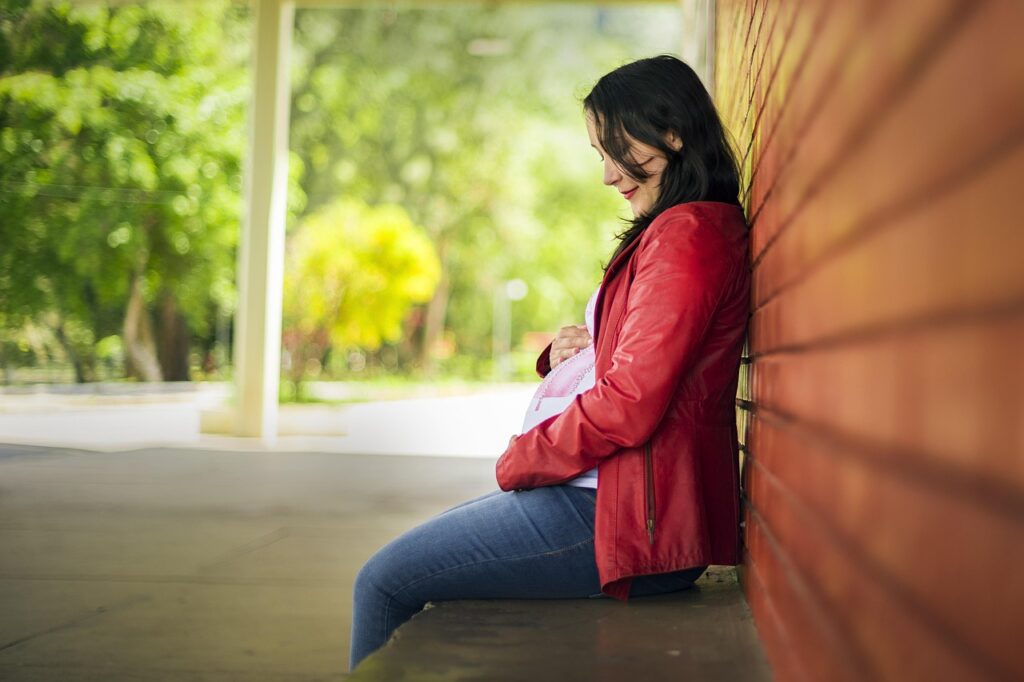
Pregnant women due to lead’s ability to cross the placenta, leading to below-average birth weights and increased risk of premature births
Workers in the lead industry due to workplace exposure
People living in older homes where lead pipes or lead-based paint could be present
What Are the Main Routes of Lead Exposure in the Trail Region?
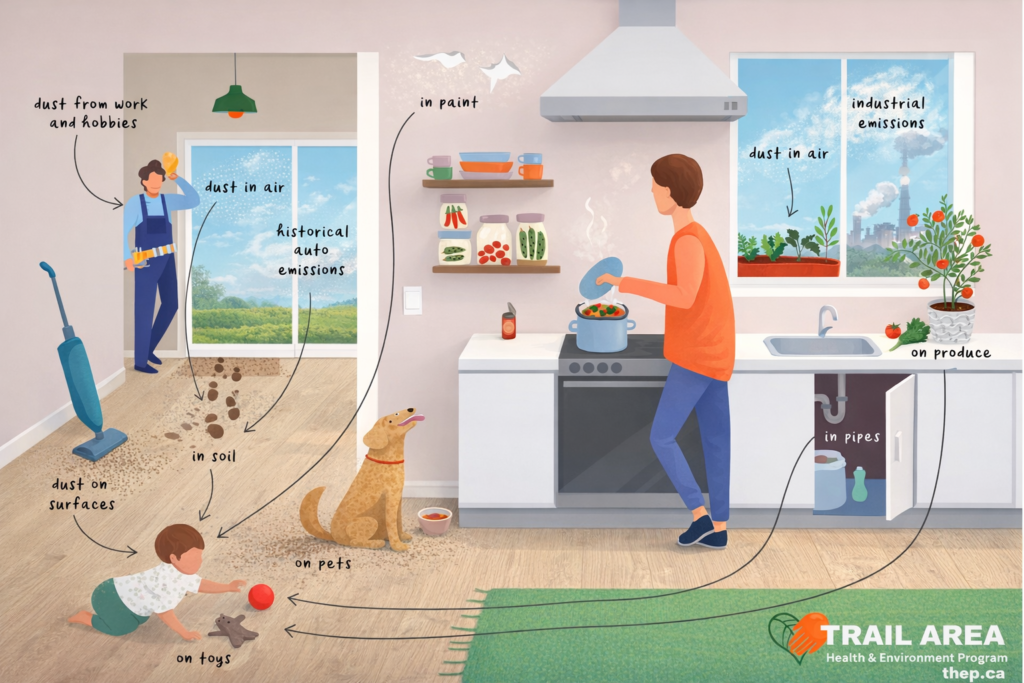
Fugitive dust: lead dust that escapes from the smelter site during material handling and vehicle transport contributes to air lead pollution
Contaminated soil: lead dust and air particulates leech into the soil
Stack emissions: lead emitted into the air during the smelting process
Hand-to-mouth activity: lead-contaminated dust and soil on the hands and other objects is ingested
Contaminated food: Vegetables grown in contaminated soil can bioaccumulate lead, or food may be prepared on dust-contaminated surfaces
Lead-based paint: lead-based paint from homes built prior to 1976 can be an issue during renovation or due to deterioration with age
Simple Steps to Lower Risks
Wash: Scrub hands before every meal and after outdoor activities
Wipe: Use a damp cloth for dusting and a wet mop for floors to avoid stirring up dust
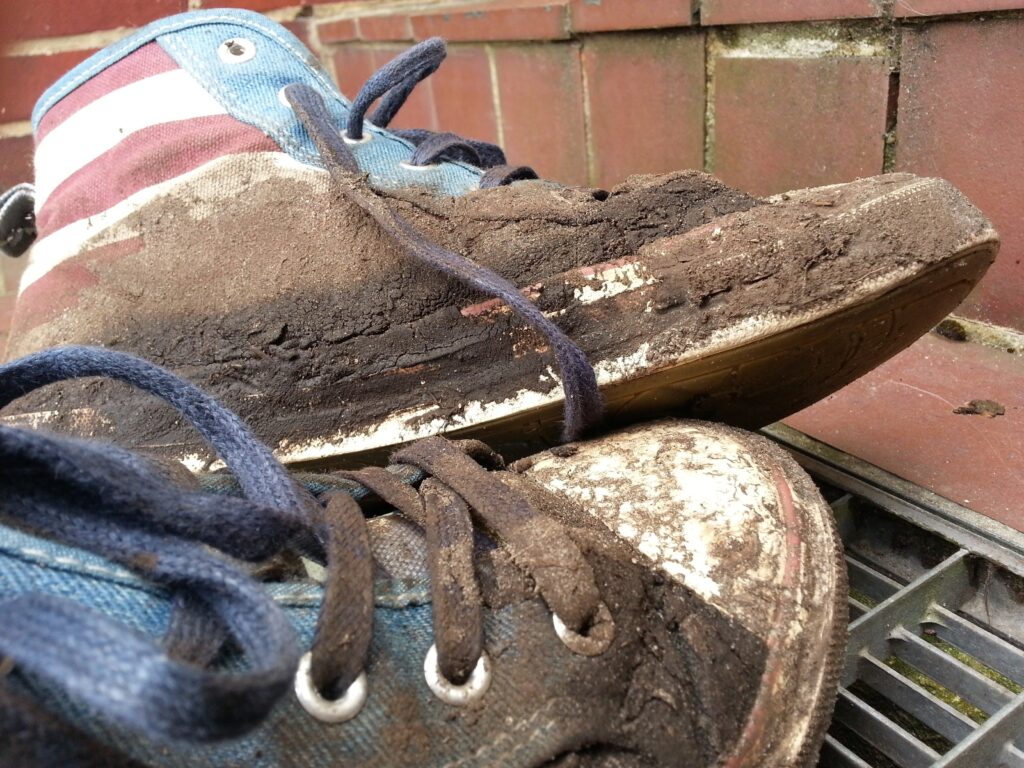
Leave: Keep outdoor shoes at the door to avoid tracking soil inside
Cover: Use mulch or grass to cover bare soil patches in your yard
Eat: Diets high in calcium, vitamin C, and iron help the body absorb less lead
Lead in Trail: Not Just History, Still a Health Issue
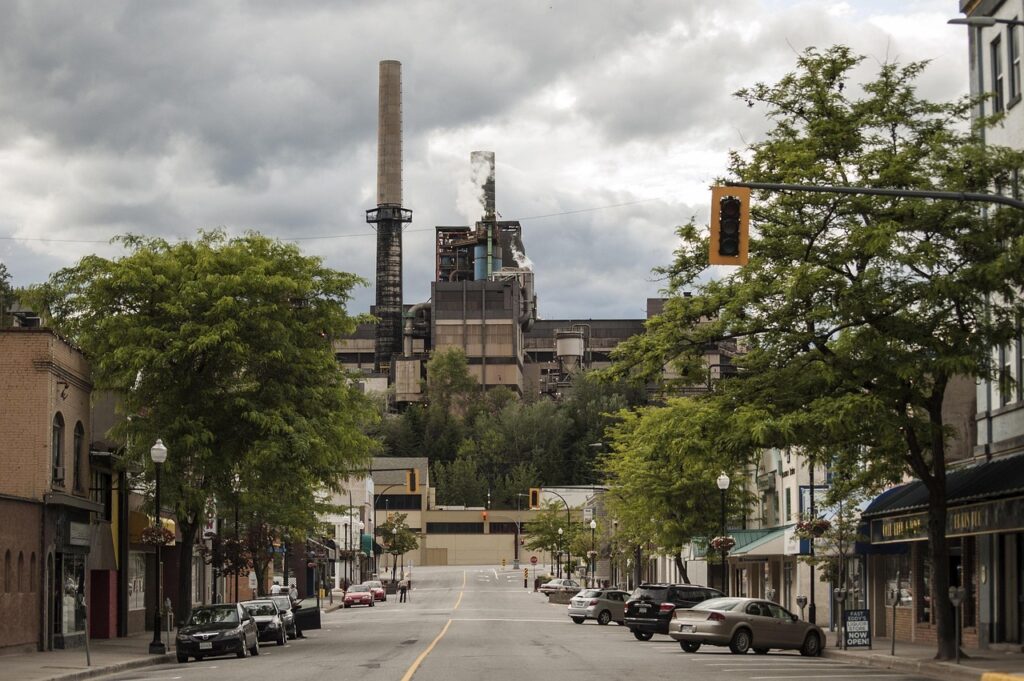
Lead in Trail: Not Just History, Still a Health Issue
Trail experienced some of the highest community lead exposures in Canada
Lead remains in soil and dust long after emissions stop
Exposure risk continues today, especially for children
A common belief in Trail is that lead exposure is something we already dealt with and moved past. The reality is more complicated. While emissions are much lower today, lead doesn’t disappear. It stays in soil and dust unless it’s removed. Trail experienced some of the highest documented community lead exposures in Canada, and that contamination didn’t just vanish when regulations improved. This is why lead is still considered a public health issue today, especially for young children.
Over a Century of Lead Release into the Environment
Lead smelting began in the late 1800s
Airborne lead released continuously for decades
Pollution controls were minimal for much of the 20th century
Lead contamination in Trail didn’t come from a short event, it built up over more than a century. Smelting began in the late 1800s, and for most of the 20th century there were few effective pollution controls. Lead was released into the air day after day, year after year. Each year added another layer of contamination to the soil, streets, and homes of the community.
Spills, Accidents, and Uncontrolled Releases
Not all contamination was gradual
Accidents, equipment failures, and spills occurred over decades
Sudden releases increased environmental and downstream exposure
On top of routine emissions, Trail also experienced spills, equipment failures, and accidental releases over the decades. These events caused sudden increases in contamination and, in some cases, spread lead farther than normal operations would have. While not always visible to residents at the time, these incidents added to the long-term burden of lead in the environment and compounded the problem rather than allowing it to slowly fade.
How Contamination Spread Through the Community
Wind carried lead dust into residential areas
Contamination settled unevenly across neighborhoods
Soil became a long-term reservoir for exposure
Once lead particles were released into the air, wind patterns determined where they landed. Some neighborhoods received much heavier contamination than others. Over time, lead built up in surface soil. That soil then became a long-term source of exposure, especially when dust was stirred up during dry weather or outdoor play.
How Bad Was Exposure in Trail?
Trail children had blood lead levels far above national averages
Many exceeded intervention thresholds by wide margins
Levels were among the highest documented in Canada
By the 1970s and 1980s, research showed just how serious the situation was. In 1975, average blood lead levels in young children were around 22 micrograms per deciliter. By comparison, most Canadian children today are below 2 micrograms per deciliter. Even in the late 1980s, nearly 40 percent of Trail children exceeded levels that required medical and public health intervention. This was not a small difference, Trail stood out nationally.
Trail Compared to Canada and the U.S.
National lead levels declined earlier elsewhere
Trail remained elevated long after policy changes
Trail became a recognized lead exposure “hot spot”
Across Canada and the U.S., blood lead levels dropped quickly after leaded gasoline and lead paint were phased out. But Trail didn’t follow that same pattern. Because of historical contamination, exposure remained high even after national averages fell. That’s why Trail appears so often in medical research, it was a clear example of how legacy pollution can keep harming communities long after emissions slow down.
Why Exposure Continued After Emissions Declined
Soil and dust remained contaminated
Summer dust increased exposure
Everyday activities re-suspended lead
One of the most important findings in Trail was that exposure continued even after emissions declined. Soil lead levels stayed high for decades. Dry summers, kids playing outside, and dust being tracked indoors all kept exposure going. This showed that cleaning up emissions alone wasn’t enough, the legacy contamination had to be addressed too.
What Has Been Done, and Why It Matters
Community blood lead screening programs
Home-based interventions reduced exposure
Large-scale soil remediation now underway
Trail responded with one of the most comprehensive lead programs in Canada. Children were screened, families received in-home education, and practical dust control measures were implemented. These efforts worked, blood lead levels dropped steadily. More recently, large-scale soil remediation has begun to address contamination at the community level, not just individual homes.
Why We Should Still Be Concerned Today
Lead remains in soil unless removed
Disturbance can reintroduce exposure
Ongoing awareness protects future generations
Even today, lead remains in soil where it was deposited decades ago. Construction, landscaping, and dry conditions can bring it back into contact with people. The reason we still talk about lead is simple: awareness prevents exposure. The progress Trail has made is real, but protecting future generations means staying informed and proactive.
Trail’s Legacy: A Warning and a Lesson
Trail showed how severe industrial lead exposure can be
Community action reduced harm
Long-term vigilance is essential
Trail’s story is both a warning and a lesson. It shows how serious industrial lead exposure can become, and how long it can last. But it also shows that community action, science, and remediation can reduce harm. Lead exposure shaped Trail’s past, but what we do now determines how it affects the future.